|
Having raised sheep for many years,
we've had many different breeds of ewes. Dorset,
Suffolk, Rambouillet, Shropshire, Hampshire, Polypay, Romanov, Columbia,
East Frisian and many crosses. Each of these breeds has something
to offer and each breed comes with its own set of issues. One
problem they all have in common is they need to be sheared.
Its been many, many years since wool has been anything but a burden. This is particularly true for medium and coarse
wool breeds. Shearing costs continue to rise while wool prices
continue to decline. Commercial production of medium grade wool
has become completely unviable. I have come to accept that
shedding sheep are the future.
In the US, we have two predominant shedding breeds - Dorper and
Katadhin. Both breeds are synthetic breeds, created by crossing
African and tropical breeds with European breeds. As a result,
they tend to be lightly muscled (Katadhin) or become excessively fat
(Dorper) at light weights.
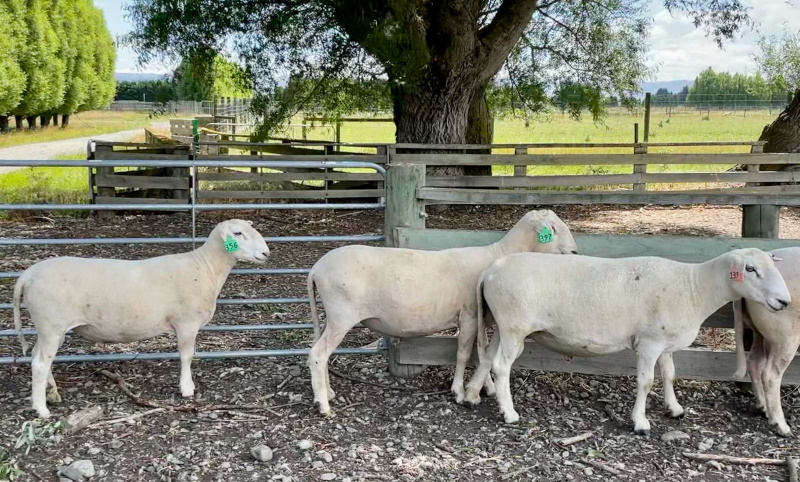
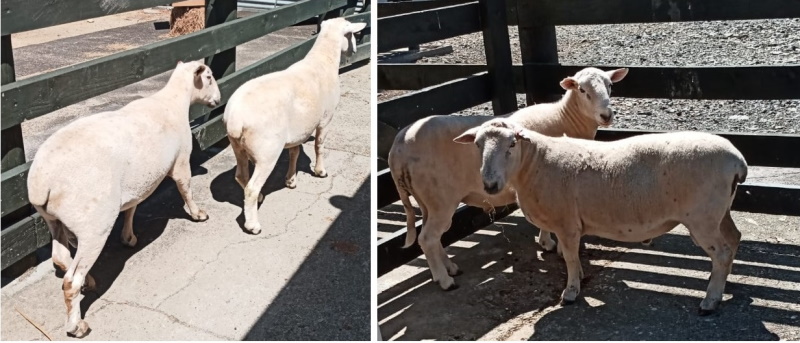
Wiltshire sheep are a centuries-old pure breed that originated in
Europe. Being purebreds, they are among the most consistent
shedding breeds in the world.
Wiltshires are a medium to large breed that was primarily developed in
Britain. Breeders there had the
foresight to resist converting the breed to a 'strong wool' breed.
They are most similar to "down" breeds such as Hampshires and Dorsets.
They are well muscled and grow quickly. They were imported to
Australia as a terminal sire.
In recent times, Wiltshires have undergone accelerated development and
modernization in Australia, New Zealand and the UK. In addition to
breeding off the horns (polled Wiltshires) breeders in these countries are using
genetic improvement technologies (SIL, LAI, etc.) to further improve the breed for modern
commercial lamb production.
After many emails, chats and calls with breeders in Australia and
particularly New Zealand I have become convinced that Wiltshire sheep
are the ideal breed for lamb production through much of the US. In
2020, we
began a program to develop the Wiltshire sheep in the US.
Semen was collected from 3 operations in
New Zealand - 3 rams from each breeder, for a
total of 9 rams.
|